



Business · Technology · Experience
Digital Transformation
I want to contribute to innovative projects where users are at the heart of the transformation strategy. I enjoy working in agile environments, where understanding technology is essential to designing relevant solutions that address real needs. I believe feedback is key to continuously improving a project, while AI should be thoughtfully integrated into processes as a powerful enabler — without becoming indispensable.
My approach
Project
Business analysis
Agile
Product vision
ITIL4
Technology
Front-end
APIs
IA
Data
Experience
UX
Prototyping
Testing
User research
From Complexity to Impact

Coordinate
Bring people, teams, and stakeholders together to keep the project aligned and moving forward.
Build
Turn the solution into reality by working closely with technical teams and ensuring the right implementation.

Tools

Agile
US redaction
Acceptance Criteria
Backlog priorisation
Product Roadmap
Kanban
Scrum


Transformation
Process Analysis
Digital Strategy
ITIL
Process improvements
Change Management

AI
Machine Learning
Neural Networks
LLMs
Automation
Prompting
AI assisted workflows
Data & Analytics
SQL
Python
Data visualization
Product & Strategy
Roadmap
Product Vision
Design Thinking
Customer Experience
Prioritization
Testing
Test cases
Functional testing
UAT
User feedback
Issue Prioritization
RobotFramework
Product Delivery
GO LIVE
Releases
Feedback
Continuous improvement
User formations
User facilitation
Engineer
from ESAIP La Salle School

Digital transformation
Agile
Deming Cycle
ITIL
Cloud

Administration
Linux
Windows server
Cisco IOS
Packet Tracer

Development
Symfony
Python
Android
C ++

Data
SQL
Computer Vision
My Case Studies
Swift App design and development
Overview
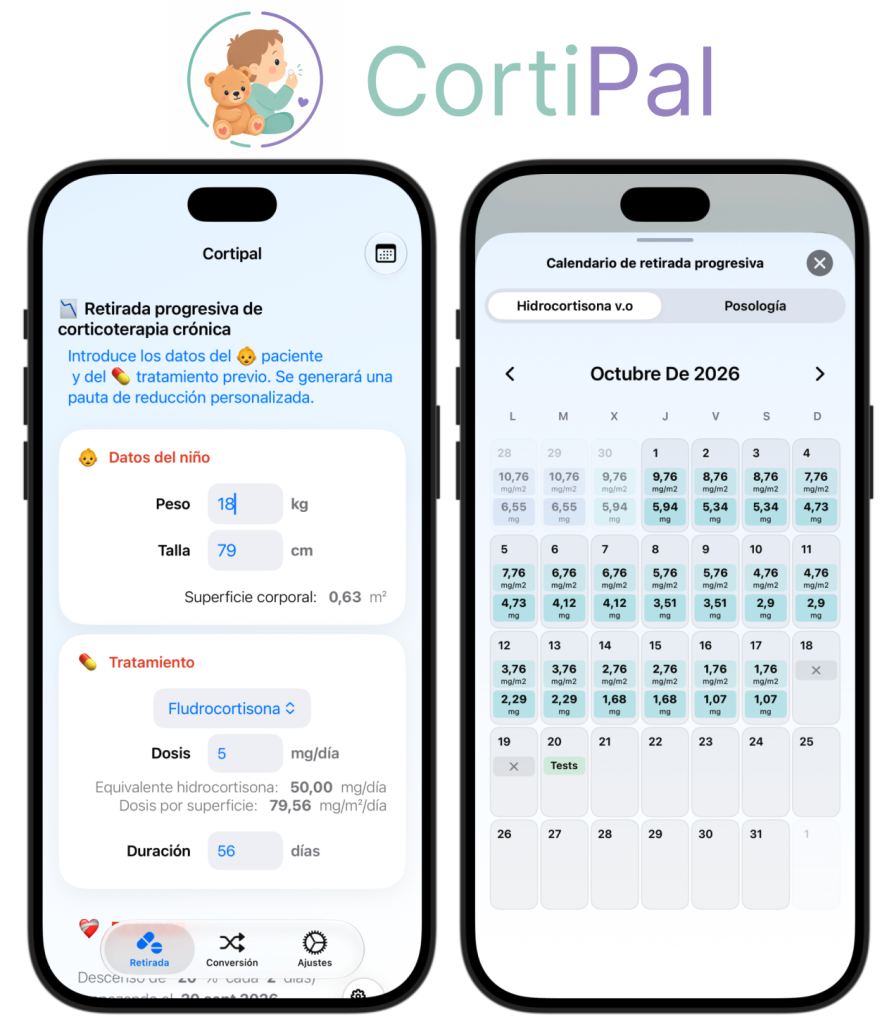
Mobile app developed
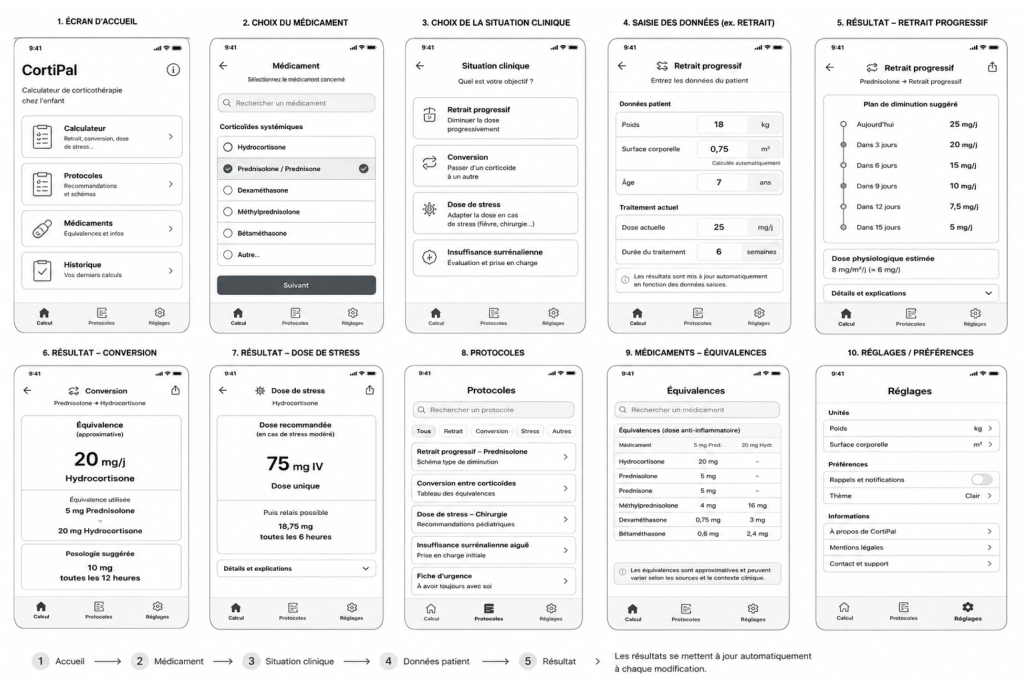
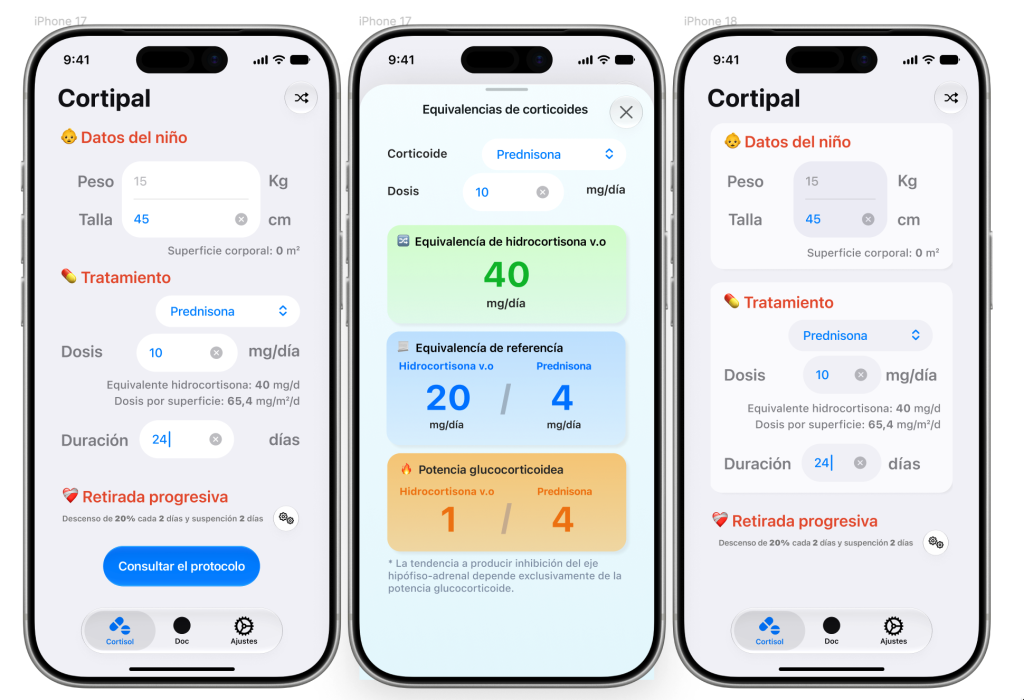
Figma
Latest Certifications & Training
I continuously learn through platforms such as Udemy, Coursera, and YouTube, because technology is constantly evolving. Staying curious and continuously developing my skills is essential to keeping pace with this evolution.
Apple development
Swift
SwiftUI
Xcode
APIs
Core
Intents
Swift enables me to build within the Apple ecosystem and explore its latest advances in AI. Its deep integration with Apple hardware also makes it possible to create seamless digital experiences, where technology and user experience come together.
Artificial Intelligence
Machine Learning
Deep Learning
LLMs
RAG
Fundation Models
AI agents
AI is reshaping the technology landscape. Understanding its tools, knowing how to use them, and integrating them into project workflows is becoming essential. But the real opportunity goes beyond using AI: it lies in designing digital solutions where intelligence is built into the experience from the start.
SQL
Queries
Joins
Aggregations
Subqueries
Data Analysis
Database management
I developed my SQL skills to understand, query and analyze structured data. The training covered database fundamentals, complex queries, joins, aggregations and subqueries, with a focus on extracting meaningful insights from data.
My main project
Industrial Maintenance and Operational Readiness Supported by Software Solutions
I contributed to the design and development of a digital solution for industrial maintenance, aimed at improving the management of maintenance activities and operational procedures. From understanding business and user needs to defining functional requirements, designing workflows and supporting implementation, I worked at the intersection of business, technology and users.
Key Challenges
- Standardize maintenance processes
- Improve operational efficiency
- Enable continuous improvement through feedbacks
- Support decision-making
- Ensure quality and compliance
The software solution based on the processes industry
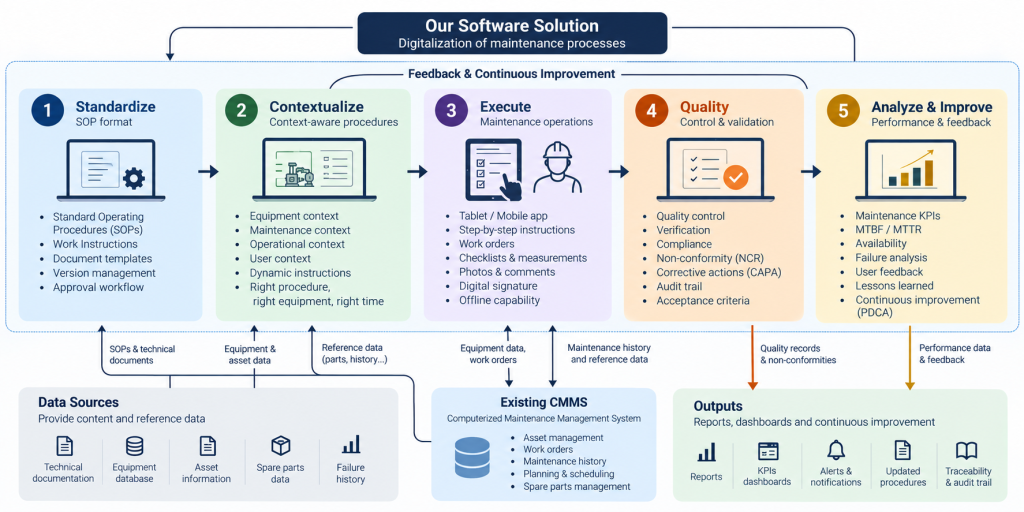
The software solution digitalizes the maintenance process through five interconnected stages: standardization, contextualization, execution, quality control, and continuous improvement.
It relies on existing data sources of the information system of the company, and integrates with the CMMS already in place, enriching the information available to users without replacing the existing system.
From standardized procedures to field execution, quality validation and performance analysis, the solution creates a continuous feedback loop that helps improve both maintenance operations and procedures over time.
Design process
01 – Roadmap
The digital roadmap is defined with the Digital Transformation team, management and business representatives to identify key priorities, digitalization opportunities and strategic features.
02 – Process discovery
Based on the roadmap, I analyse existing processes with process owners and users to identify business needs, pain points and opportunities for digitalization.
03 – User Research & Needs Analysis
Through user interviews and functional analysis, I translate these needs into requirements, User Stories and Acceptance Criteria, creating a shared understanding between business, users and development teams.
04 — Design and prototyping
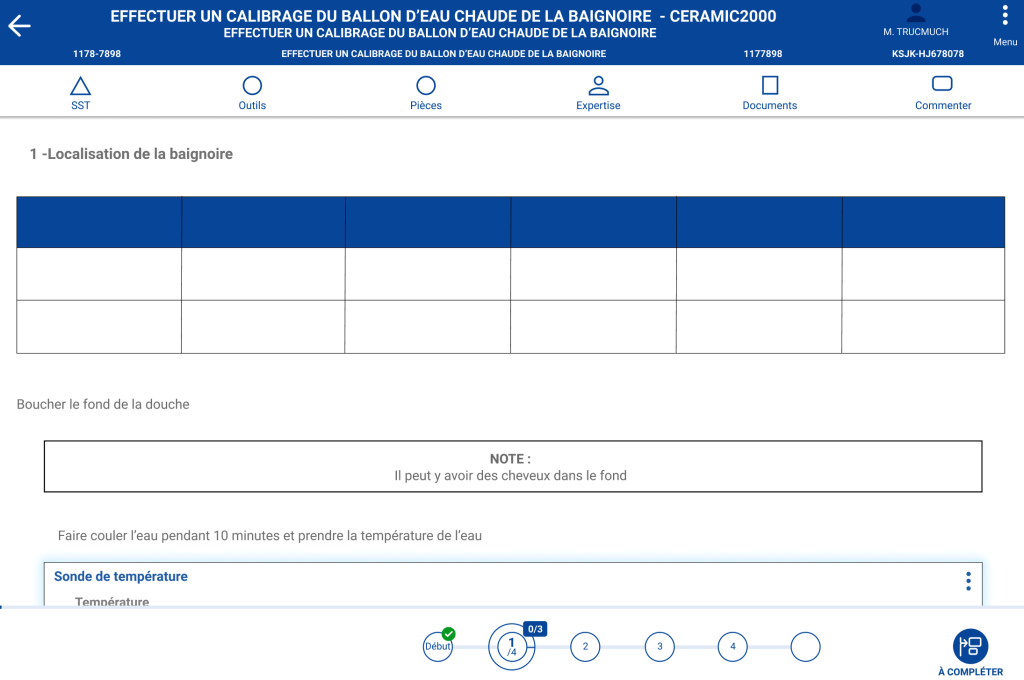
I design the solution using a Design System and Figma, creating interactive prototypes and testing different approaches with users. Their feedback helps refine both the UX and the functional requirements.
05 — Agil process
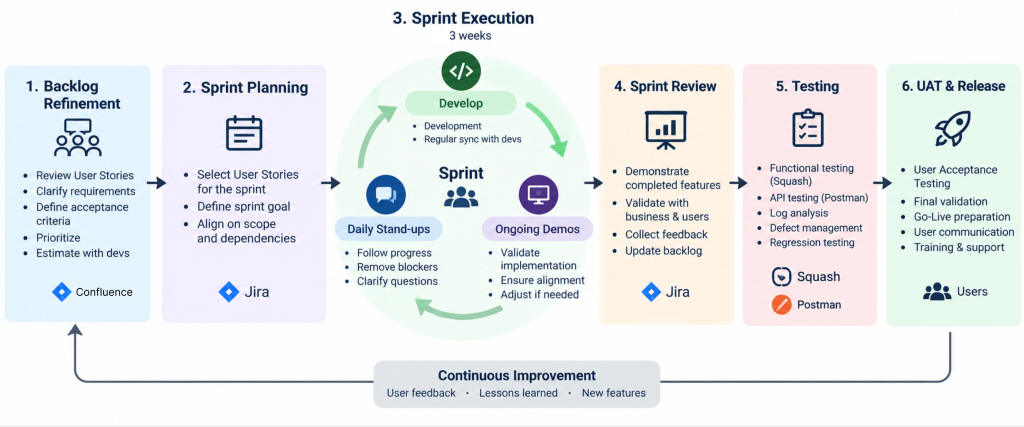
Once validated, User Stories are finalized and prioritized during Backlog Refinement. I work closely with developers throughout the sprint to clarify requirements and ensure alignment through regular demos.
06 — Validation
The delivered features go through functional testing, using tools such as Squash, Postman and log analysis. Defects are identified, prioritized and followed through to resolution.
07 — Deploy & Adopt
After functional validation, users perform UAT to confirm that the solution meets their operational needs. Once validated, we prepare the Go-Live, communicate the release and support users through training.
08 — Improve
User feedback, testing results and operational experience feed the backlog and future iterations, creating a continuous improvement cycle.